
How to Turn Your Outdoor Space into a Place You Actually Use Every Day
There is a meaningful difference between a yard that looks good from a distance and one that genuinely draws people outside and keeps them there. Attractive landscaping has obvious value, but landscaping designed around how people actually live, gather, move, and relax outdoors creates something far more valuable than curb appeal alone.
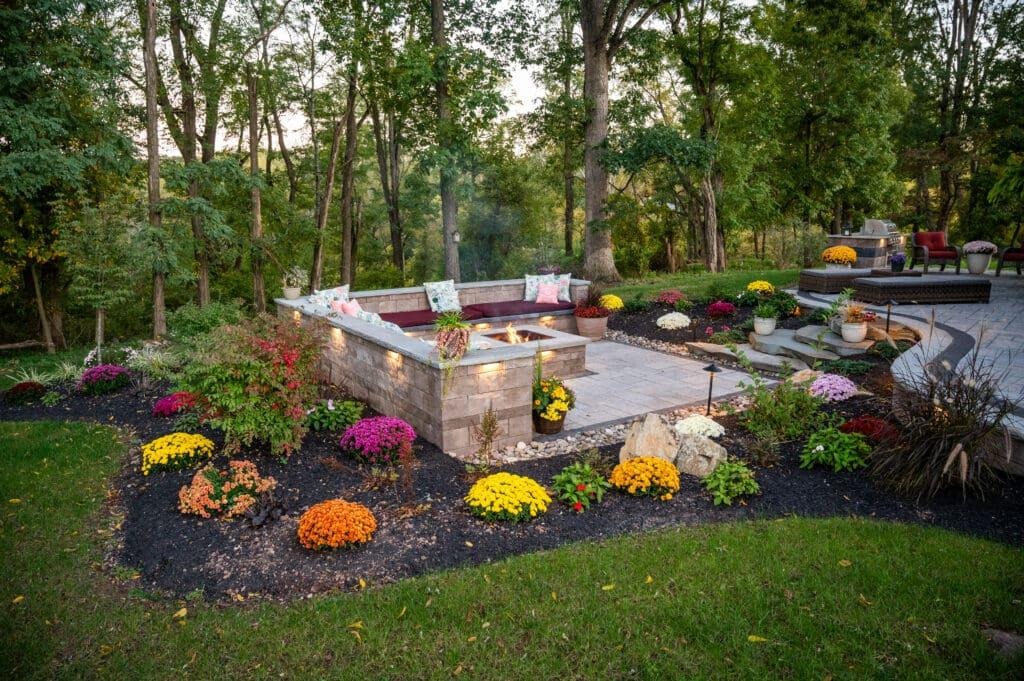
Designing Outdoor Spaces That Work as Hard as They Look
The most successful outdoor spaces are the ones that balance beauty with genuine usability, creating environments that feel as intentional and comfortable as any room inside the home. Homeowners working with a skilled landscaping Columbia MD team understand that the difference between a yard that impresses and one that is actually lived in comes down to thoughtful design decisions made long before the first plant goes in the ground.
Defining Zones Creates Structure and Usability
First and foremost, one of the most transformative things a thoughtful landscaping plan can do for an outdoor space is create distinct functional zones that give different areas of the yard a clear purpose. A dining area defined by a patio surface and overhead structure, a lounge zone anchored by comfortable seating and soft lighting, a play area designated for children, and a garden space set apart for growing all contribute to a yard that feels organized, intentional, and genuinely usable rather than one large undifferentiated space that nobody quite knows how to occupy.
Privacy Landscaping Changes How Comfortable Outdoor Spaces Feel
Furthermore, the degree of privacy a yard offers has an enormous influence on how frequently and how comfortably it gets used. Outdoor spaces that feel exposed to neighbors, passing traffic, or adjacent properties create a subtle but persistent sense of discomfort that discourages relaxed outdoor living even when the space itself is beautifully designed.
Lighting Extends the Usability of Outdoor Spaces into the Evening
Another dimension of outdoor living that dramatically increases how much a space actually gets used is thoughtful landscape lighting. A yard that is beautifully functional during daylight hours but dark and uninviting after sunset is effectively unavailable for half of the hours when many people have time to enjoy it. Pathway lighting, accent lighting for trees and architectural features, ambient lighting for dining and lounge areas, and task lighting for outdoor kitchens or grilling spaces collectively transform a daytime space into one that is just as welcoming and functional after dark as it is in the afternoon sun.
Low Maintenance Design Keeps Beautiful Spaces Beautiful
Finally, the most visually impressive outdoor space delivers limited long-term value if it requires more maintenance than the homeowner realistically has time or energy to provide. Landscaping designed with the owner’s actual lifestyle and maintenance capacity in mind chooses plant species for their resilience and low upkeep requirements, incorporates efficient irrigation systems that reduce manual watering demands, and uses hardscape elements strategically to minimize the lawn area that requires regular mowing and edging.
Conclusion: Designing Outdoor Spaces That Work as Hard as They Look
To bring it all together, truly successful landscaping creates outdoor spaces that are beautiful, functional, private, well-lit, and genuinely maintainable over the long term. Each of these elements contributes to a yard that earns a real place in daily life rather than simply adding visual value from the curb. Outdoor space is too valuable and too full of potential to be treated as anything less than a genuine extension of the home.
Recent Comments